
Walking the Kumano Kodo trail is not like any other hike we have done before. This ancient network of pilgrimage trails in Japan has guided travellers, monks and even emperors for over a thousand years, winding through misty forests, mountain pases and tiny osen villages.
Many people already know this is a UNESCO World Heritage Site and only 1 of 2 in the world next to the Camino De Santiago. But very few people realize just how immersive and moving this experience can be.
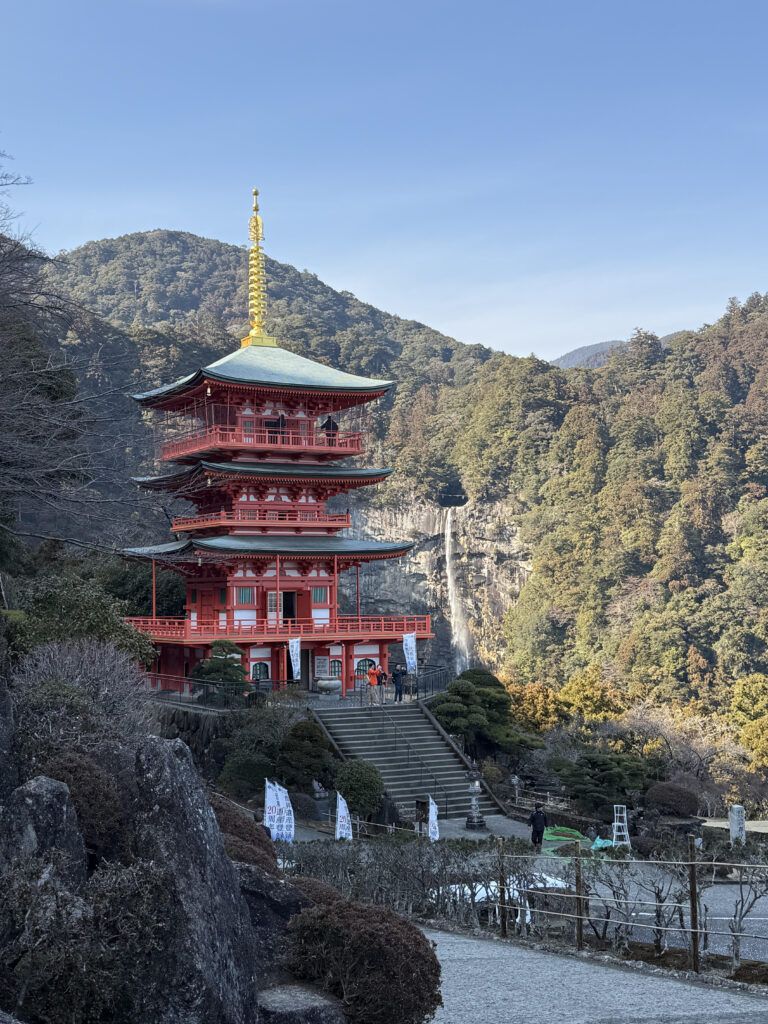
While there are many different starting points for the expansive 75 kilometer trail. We have decided to start our Kumano Kodo trail at the Yunomine Onsen and finish our walk at the Nachi Waterfalls. This is known as the Nachi route. It typically involves a full 2 days of hiking. Along our way we discovered quiet shrines tucked deep in the Japanese cedar forests, steaming hot springs and breathtaking sights of the iconic Nachi Waterfalls which is also Japans largest waterfall at 133 meters!
In this blog, we will share what it is really like to walk the Kumano Kodo: the highlights, the challenges and the momements that made the pilgrimage feel unforgettable. This hike was the highlight of our 2 week Japan trip too! So we do highly recommend doing this hike, weather it is for 2 days or 6 days. Make some time in your itinerary for this hike. This blog will also cover how to book reservations using the Kumano Reservation system.
If you are wondering about how much this hike could cost you, check out our in depth blog here that breaks down all the costs, from trains from Osaka all the way down to relaxing at the Onsen in Yunomine.
Who is the Kumano Kodo Trail For?
The trail is for you if:
- Like off the beaten path adventures
- Love being outdoors in nature
- You like hiking
- A unique experience that most tourists miss
- Love having fun
What is the Kumano Kodo Pilgrimage Trail?
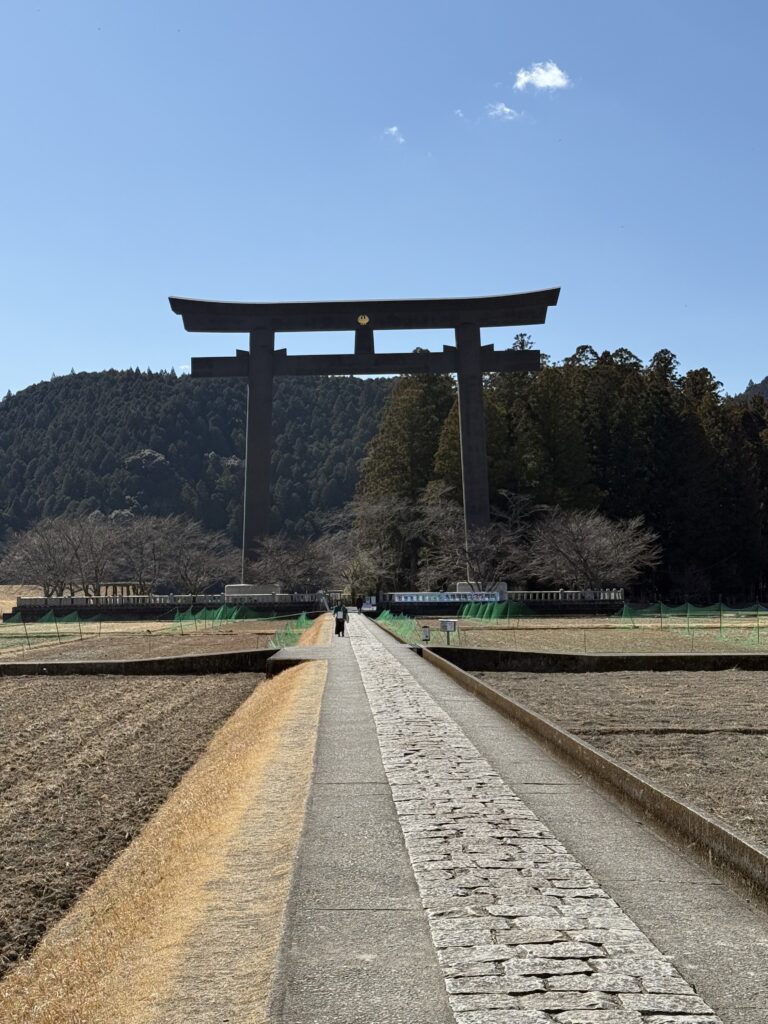
The Kumano Kodo is located within Japan’s Kii Peninsula, the Kumano Kodo is a network of pilgrimage routes that have been used for over a thousand years. These routes were used by emperors, samurai’s and many others who have made the journey in the centuries past. These routes were and still are sacred that held great spiritual meaning. The routes were connected by three framed Kumano Shrines:
- Kumano Hongu Taisha
- Kumano Hayatama Taisha
- Kumano Nachi Taisha
In 2004, the Kumano Kodo got its designation as a UNESCO World Heritage Site. There is only 1 of 2 in the world. The other being the Camino De Santiago in Spain.
What can you expect hiking the Kumano Kodo Trail
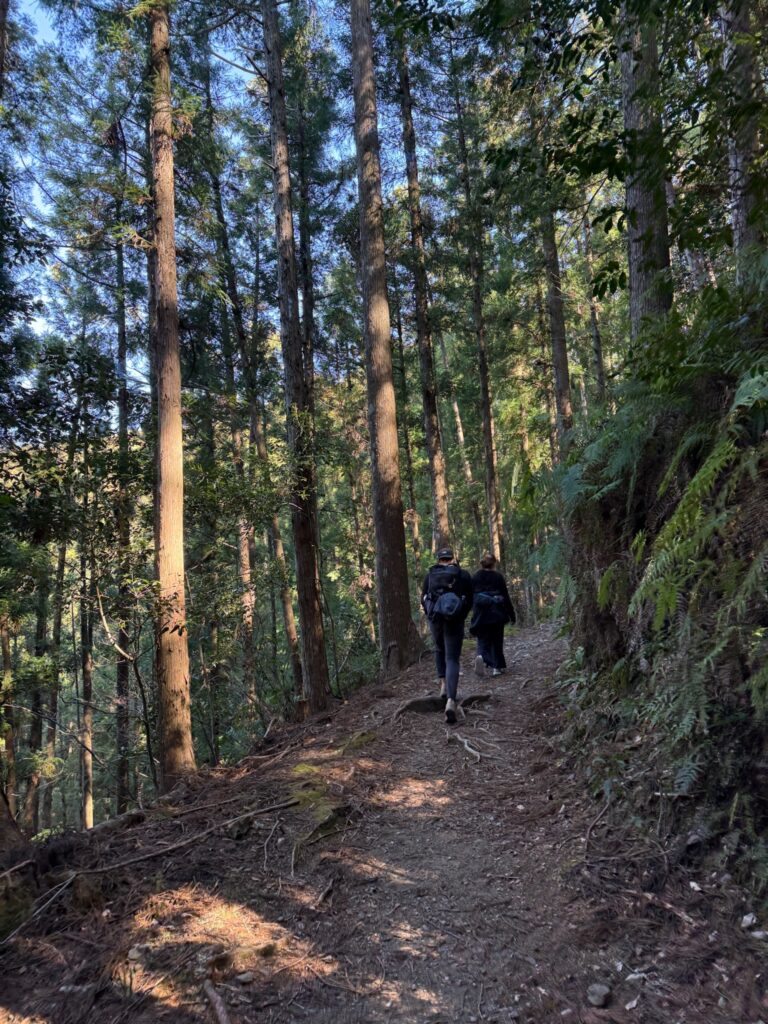
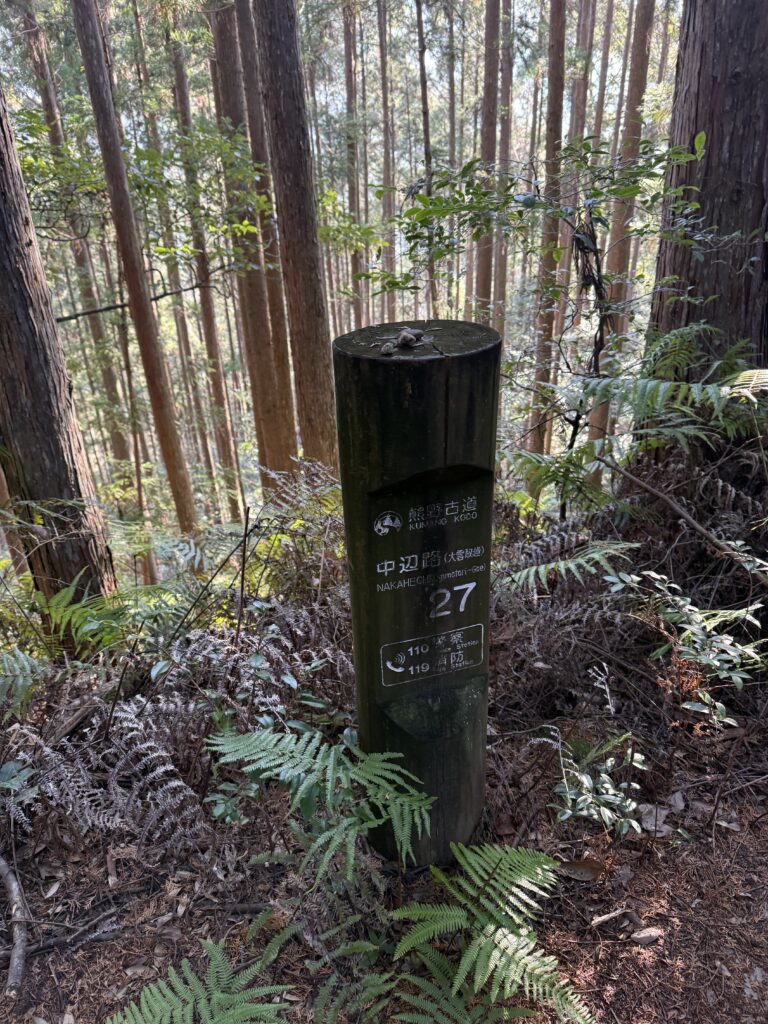
There is lots of signage throughout the trail that are marked in Japanese and English. The trails are also very well maintained.
We highly recommend keeping track of the trail markers or even using AllTrails for the hike. Alltrails has the exact hikes that you would need and you can view them offline without needing to have any Esim. If you do need an Esim, we recommend using Airalo as it is the easiest to install and usually the best priced.
The trail markers along the trail will ensure you are going down the Kumano Kodo trail and not veering off.
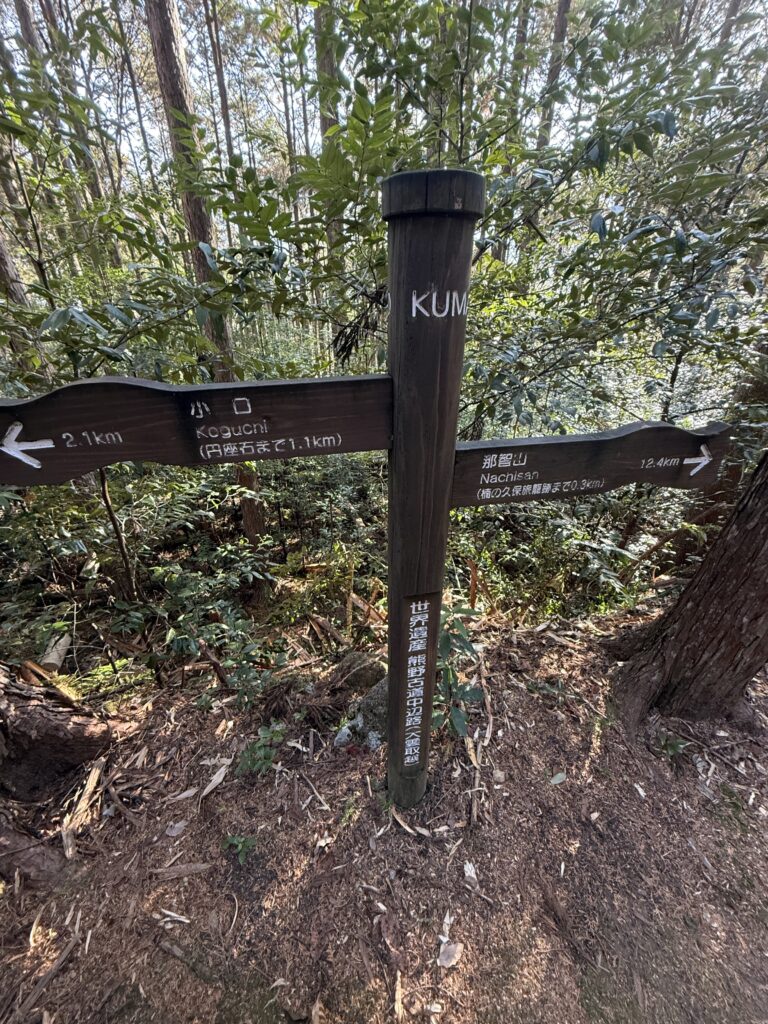
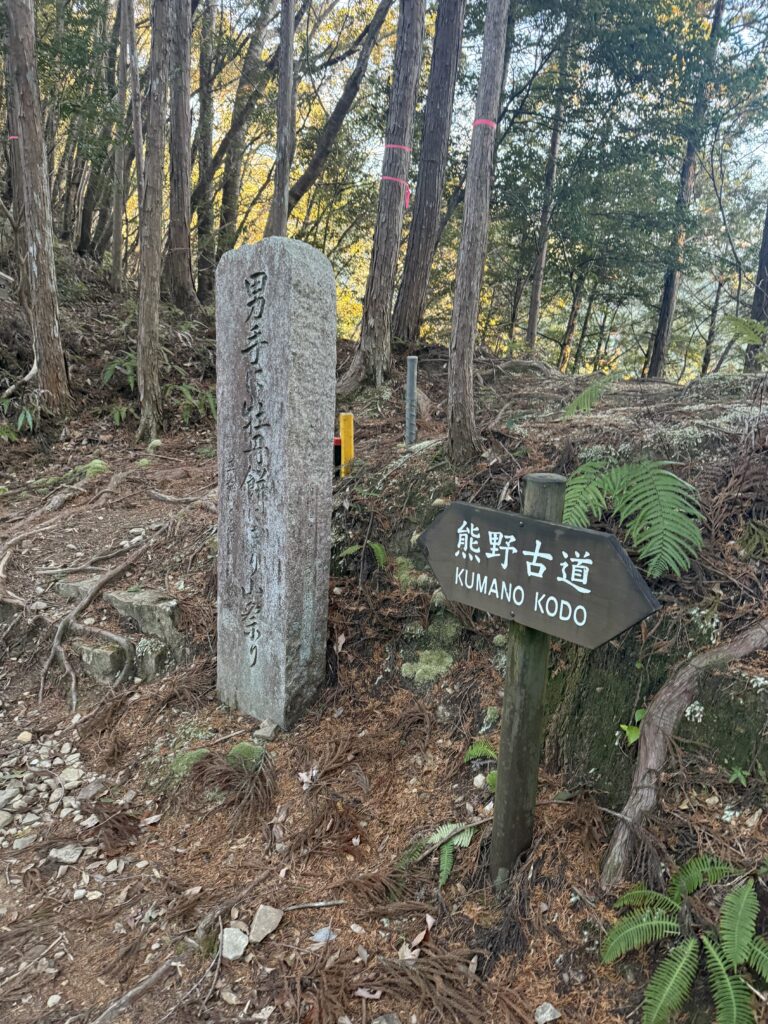
Along your way you will pass small villages that have not changed in decades. It is really neat passing through these areas and immersing yourself in the culture. These are good areas to rest, rehydrate and stand at the lookouts.
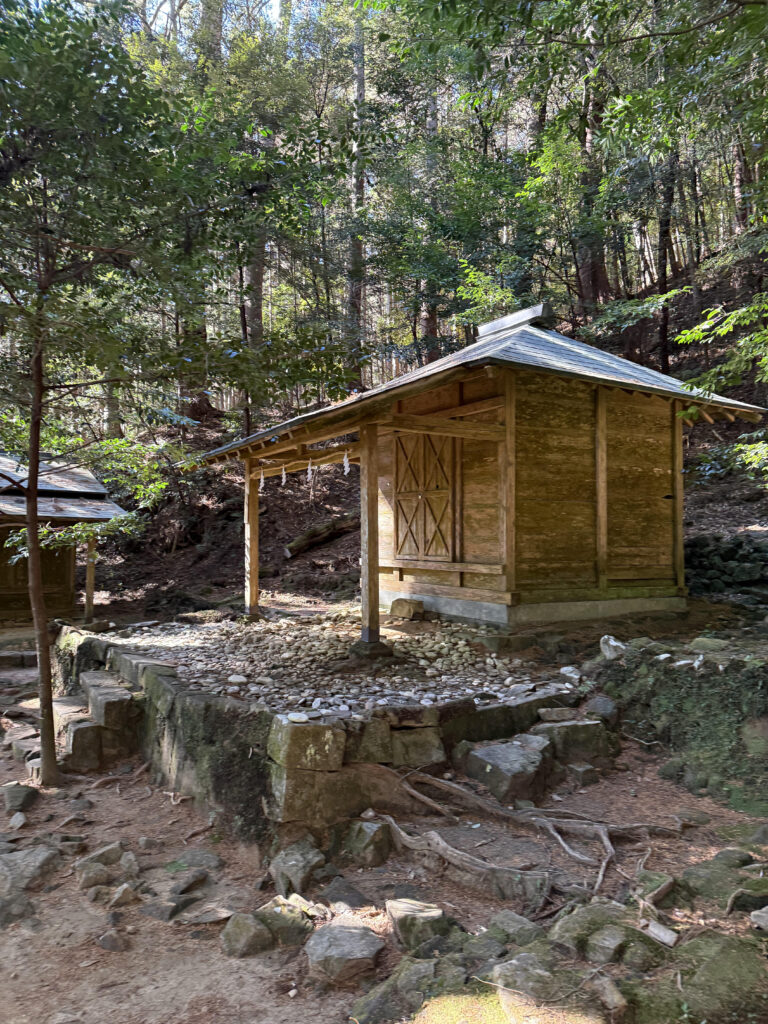
There is also an area along the trail with 2 vending machines. It is a great opportunity to grab yourself a C.C Lemon or some water.
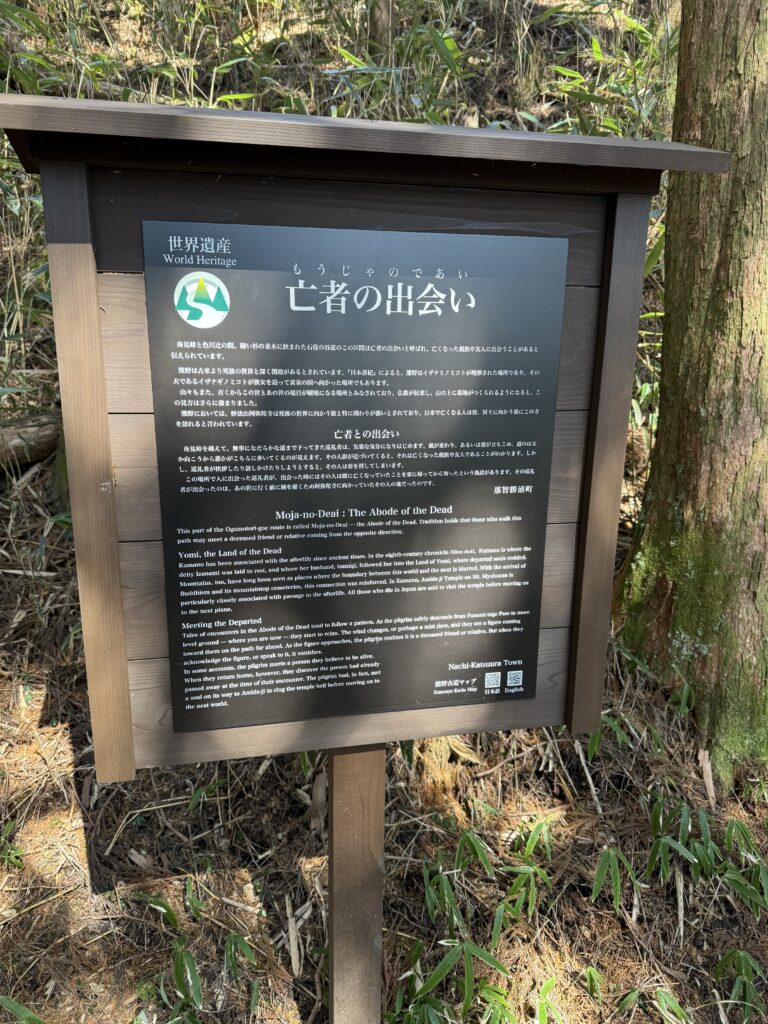
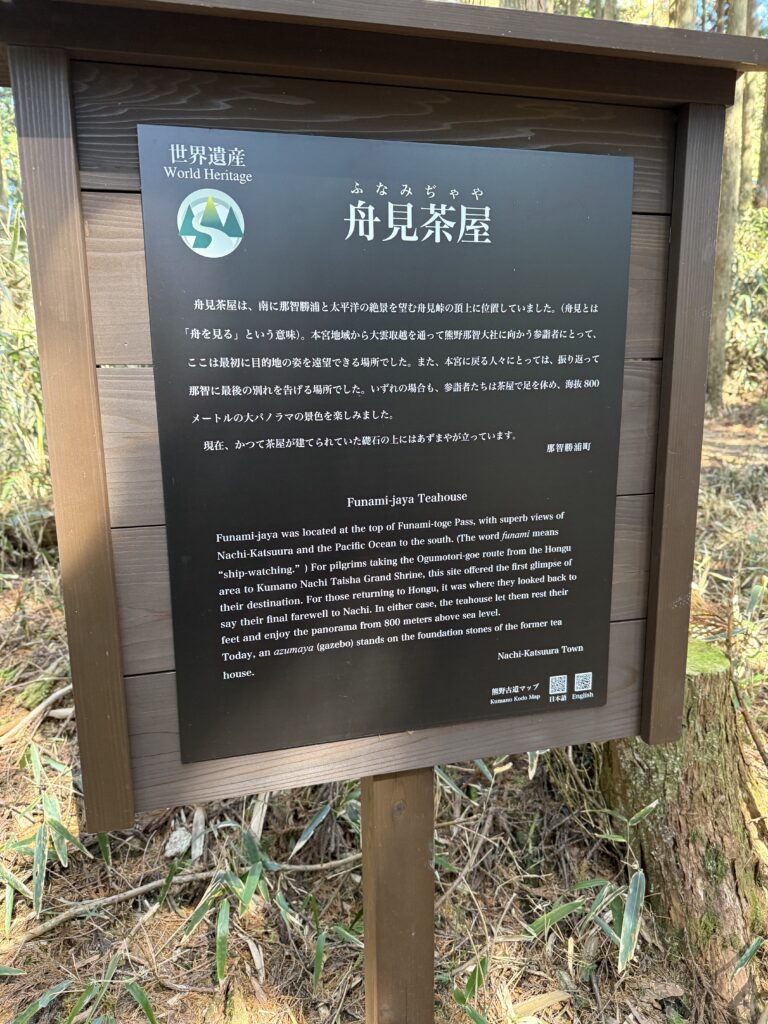
Along the trail you will find many signs that mark historical spots. These signs are written in both Japanese and English.
Where do you stay when hiking the Kumano Kodo?
Staying at guesthomes or small family operated inns are ideal and highly recommended. Eat meals that have been prepared with local ingredients and soack in the many Onsens that are common in this region.
How can you book accommodations?
Booking accommodations should be done all through the Kumano Travel Reservation System. Booking through third party sources for this trail is not always reliable and may be a scam at times. Reservations can only be booked 6 months in advance.
The first thing you will want to do is figure out which route you are wanting to take.
There are four different routes:
- Nakahechi Imperial Route (about 65km) (We only did about 35km)
- Difficulty: Moderate
- Starting Point: Takijiri-oji
- End Point: Nachi Taisha
- Average Duration: 4-5 Days
- Kohechi Mountainous Route (about 65)
- Difficulty: Advanced
- Starting Point: Koyasan
- End Point: Hongu Taisha
- Avg. Duration: 4 days
- Ohechi Coastal Route (about 37km)
- Difficulty: Advanced
- Starting Point: Kii-Tonda
- End Point: Mirozu
- Avg. Duration: 3 days
- Iseji Eastern Route (about 178km)
- Difficulty: Moderate
- Starting Point: Ise Jingu Naiku
- End Point: Hongu or Nachi
- Avg. Duration: 2 weeks
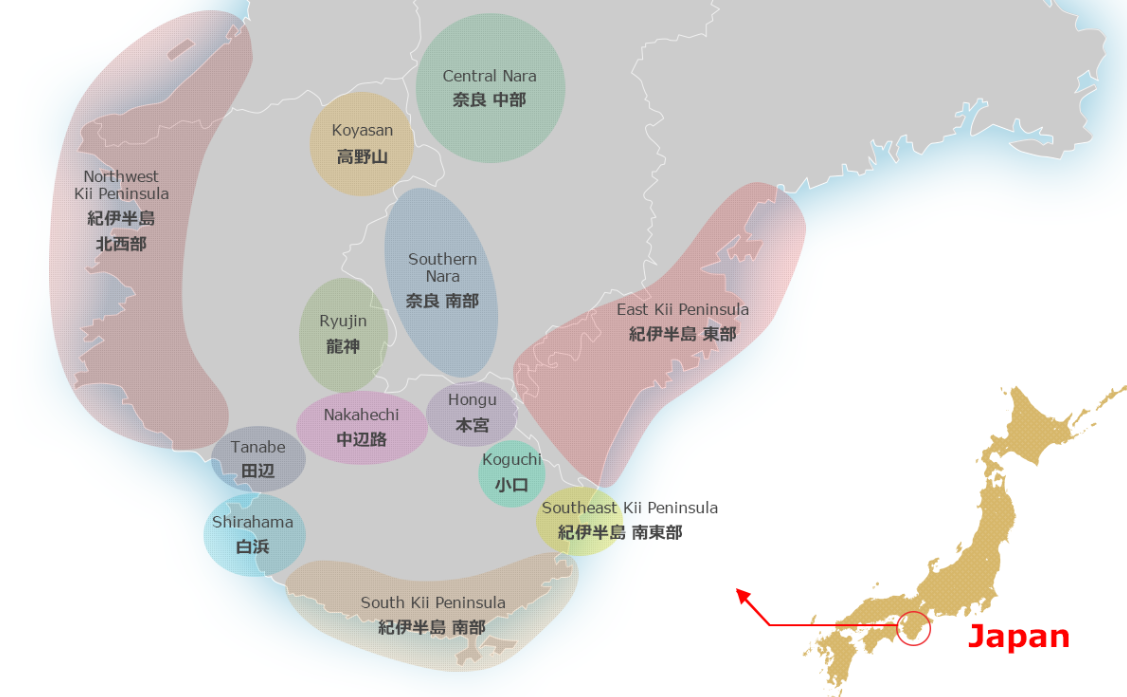
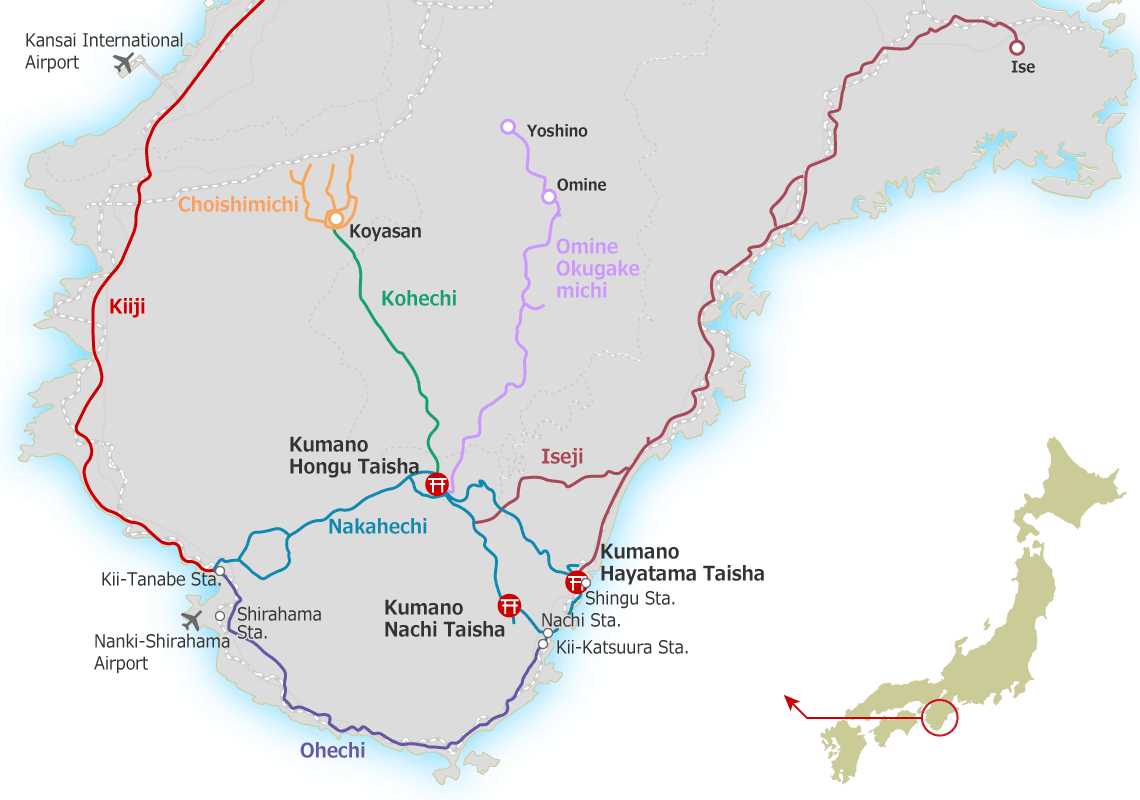
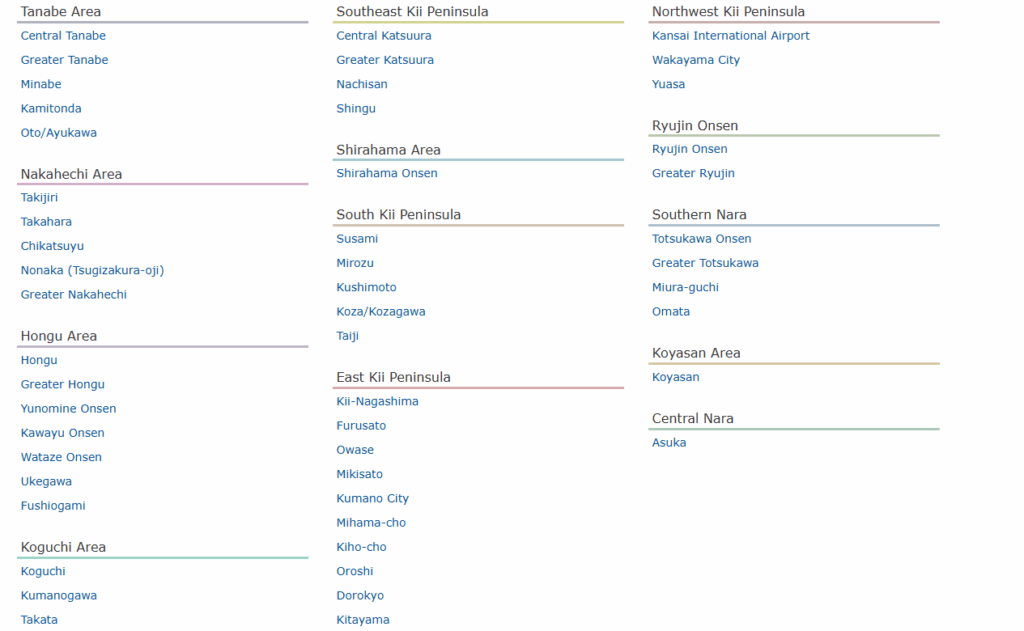
When you identify the route you are wanting to do, start by looking at reservations. For example, we did the Nakahechi Imperial Route. We knew our first stop would be in Yunomine Onsen, then to Koguchi.
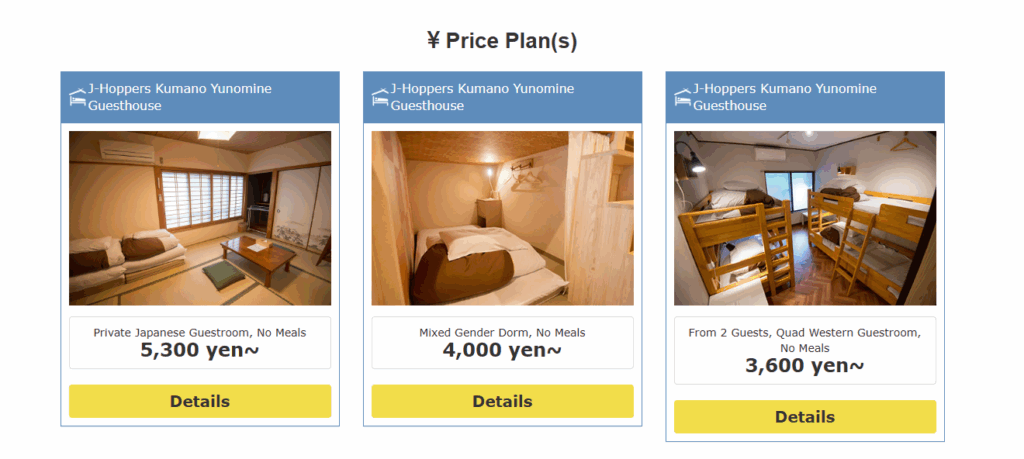
Most accommodations will offer different plans you can choose from. You can choose plans that offer meals and some that do not offer meals which will then be a little bit cheaper.
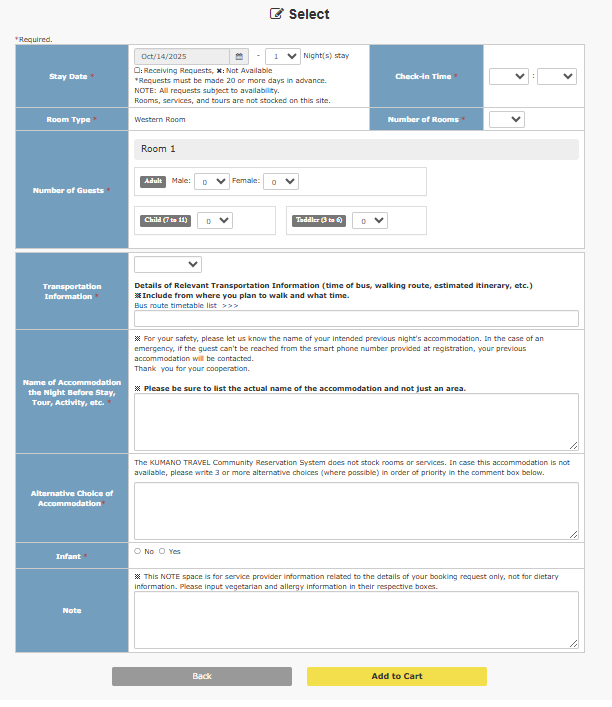
After you have figured out wich plan you want, you would have to fill out this form. This form is basically a request to reserve. Once the form is complete, you will wait around 3-4 weeks to hear back if they accept your reservation or not. The email you receieve will be in detail and explain how you can pay.
Nakahechi Imperial Route
This is the route that we took, and is the most popular route as you get to see 2 of the 3 shrines.
Day 1: Travel to Kii-Tanabe
- 9:19: Board Train to Kii-Tanabe
- 11:22: Arrive at Kii-Tanabe
- 13:20: Bus to Yunomine Onsen
- 15:30 ish: Arrive at Yunomine Onsen
- Enjoy the Onsen, and the You-Got-It-Bar.
- 20:00: Sleep at J-Hoppers
Day 2: Hike from Yunomine Onsen to Koguchi
- 9:00: Wake up in Yunomine Onsen
- 10:00: Start hike to Hongu
- Pick up Lunch in Hongu
- Explore the Hongu Taisha Shrine
- 13:00: Take the bus from Hongu Visitor Centre to Ukegawa Trail Head (2 min bus ride)
- Make sure to hit the button to stop at Ukegawa (we forgot and had about an hour detour to make it back. The next stop was about 10 mins out of town).
- 13:30: Begin hike. (13km)
- The hike took us about 4 hours 35 mins. It is recommended to start earlier as we arrived as the sun was going down.
- 18:30: Arrive at the guesthouse and enjoy some delicous dinner.
Day 3: Hike from Koguchi to Nachi Falls
- 7:30: Start hike to Nachi Falls
- The hike was 14.8km and took us about 6 hours 36 mins. (this day was much harder, as it was a lot more elevation)
- 13:10: Arrive at a beautful viewpoint of the endless ocean and the City of Kii-Katsuura
- 15:05: Arrive at Nachi Falls and Explore the Kumano Nachi Taisha (it really is breathtaking in person.)
- Note that it cost about ¥300 to go on the viewing platform (we did not do this as we loved the view we had)
- 15:30: Bus from Nachi Falls to Kii-Katsuura (26 min bus ride)
Day 4: Train back to Tennoji
- 8:49 Board Train
- 12:33: Arrive in Tennoji
Please note that there could be some unexpected delays on the trains. When we were training back, there was a tree over the train tracks, resulting us not being able to go through the City of Wakayama. This resulted in a several hour delay and us having to take the regular train after bussing to another station.
When is the best time to hike the Kumano Kodo?
Well… The hike is actually open year round. So you can do this any month.
The Kumano Kodo is located within the Wakayama perfecture in Japan and actually sits pretty far south, meaning that the weather in this region tens to be quite mild.
We would say that the spring and the fall are probably the best times to do this hike as they offer the most comfortable temperatures. We hiked the trail at the end of Feburary. It is also not the most popular time of season to hike. When we hiked the Kumano Kodo, we ran into maybe 8 people during our full two days. It was great.
No matter the time you plan to go, you should always prepare for rain or snow (we were quite nervous that there would be some snow), as the weather in the mountains can change very rapidly. Luckily, we got not rain or snow, the temperature was about 15 celsius (Nice and warm).
The best time for the weather and to have more people would be in May and June as it will be a lot warmer.
Highlights along the Kumano Kodo
Takahara
This is the first settlement that you will visit doing the Nakahechi route. The village is actually known as the “village in the mist”.
Yunomine Onsen
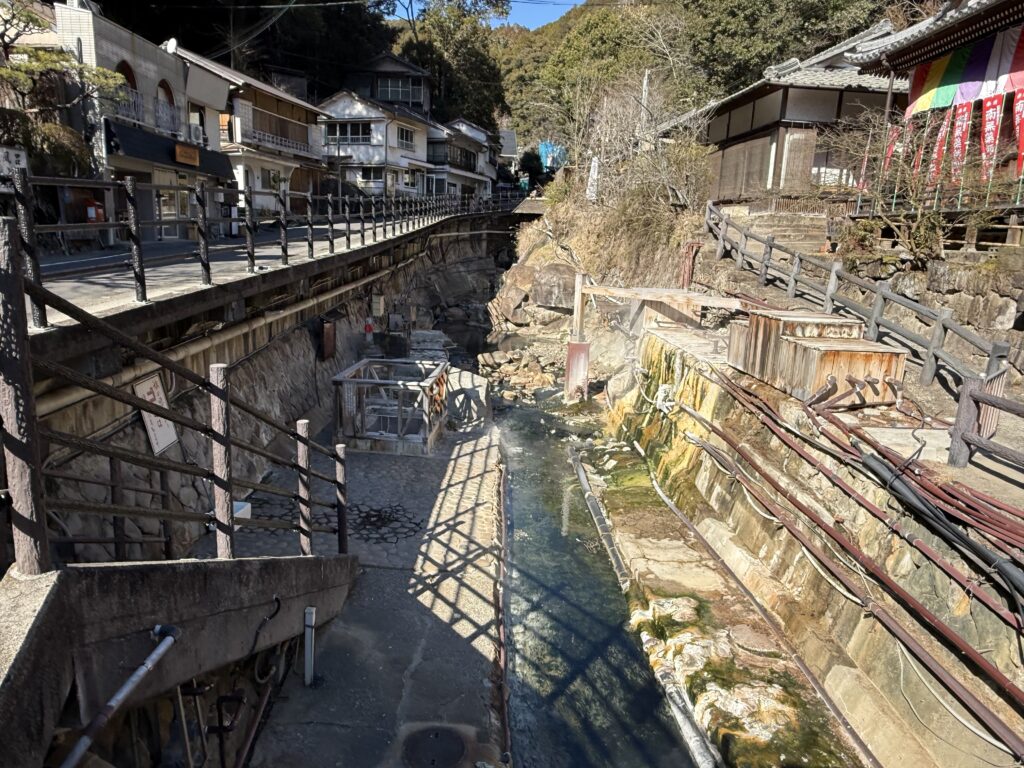
We would highly recommend everyone to spend at least one night here. This town was all of our favourites. It is such a unique town with the oldest Onsen in Japan. The Onsen was discovered about 1,800 years ago. It is said that the water can change colours up to seven times in a single day.
Hyakken-gura
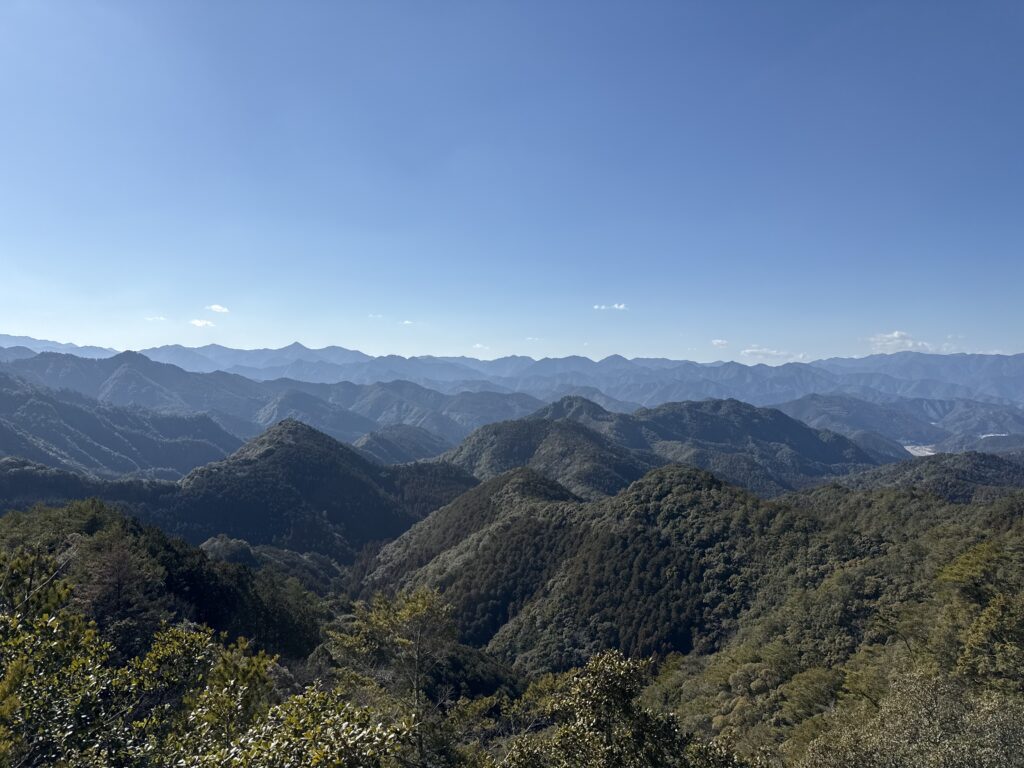
These mountains were our highlight in terms of the scenery. This was on our first day, between Hongu and Koguchi.
Nachi Falls
This was such a spectacular view. It might have been the coolest shrine we have seen in Japan. The background and the waterfall behind the shrine is so picturesque. It was also not too busy at all here which was also nice.
Kii-Katsuura
We had the BEST pizza we have ever had in Kii-Katsuura. The restaurant we went to was called Kitchen Nicori. The pizza is wood fire. It was absolutely delicious.
How to ride the Bus in Japan
When boarding, enter through the back door and grab a small ticket from the machine by the entrance. The ticket will have a number that matches your boarding stop.
Inside the bus, a monitor (in both English and Japanese) shows upcoming stops and the fare owed. When your stop is coming up, press the red “Stop” button on the wall. Exit through the front door and pay the driver in cash using the fare machine.
Keep an eye on the time — buses in Japan run precisely on schedule, and in this region many routes stop early in the evening.
You can also pre-purchase bus tickets at Kii-Tanabe Station, which is what we chose to do for convenience.
Note: In rural areas of Japan there is more of a language barrier. Google Translate was a huge help to us when we needed assistance.
Kumano Kodo Packing List
We recommend packing light all of the time. We packed two weeks worth of stuff into a 35L backpack. So we brought everything we had with us on the Kumano Kodo trail.
Comfortable Backpack: You for sure want a comfortable backpack that is well supported.
Packing Cubes: this helps saves some space in your backpack and is a life saver.
Battery Pack: We bring these absolutely everywhere, we could not imagine travelling without one.
Comfortable Hiking Shoes: We wore hiking shoes as it was very comfortable and wanted to protect our ankles just incase.
Food: If you like to snack, this is an important one. We recommend bringing in snacks from Osaka or a bigger city as there arent really any shops on the trail anywhere. There is a vending machine between Koguchi and Nachi Falls, though we think it is just drinks.
Tip: We recommend bringing as little as you can, if you feel you have too much, you can always store your stuff at storage lockers at train stations or usuing Bounce App.
Travel tips for the Kumano Kodo trail
Book accommodations early (Most important)
Guesthouses and ryokan along the trail are limited and fill up quickly, especially in peak seasons. Reserve several months in advance to secure your spot.
Cash is King
Small villages and buses rarely accept cards. Bring enough yen coins and bills for fares, snacks, and smaller inns.
Check bus timetables
This one is really important for the hike. Buses are punctual but infrequent, and most stop running early in the evening. Screenshot or print schedules ahead of time.
Pack light but smart
Good hiking shoes, rain gear, and a refillable water bottle are essentials. Trails can be steep and muddy, so comfort matters more than style.
Try the onsen culture
Yunomine Onsen and other hot spring towns are part of the pilgrimage experience. Plan time to soak after a long day’s hike. We soaked only at Yunomine Onsen.
Stamp your pilgrimage book
Collect stamps (shuin) at shrines along the route. It’s a fun and traditional way to mark your journey. We collected stamps along the way but also at every train station we could.
Respect local customs
Shrines are active places of worship. Be mindful when taking photos, and follow etiquette when entering sacred spaces.