
We love luxury travel — but we don’t love wasting money.
Traveling while working full-time has taught us one very important lesson: not all “luxury” actually improves a trip. When vacation days are limited and time off is precious, every decision matters. Over time, and across trips in places like Hawaii, Japan, and Southeast Asia, we’ve learned exactly where spending more truly elevates the experience — and where it doesn’t.
This isn’t about traveling cheap.
It’s about traveling intentionally.
Check out our blog on how we planned an affordable trip to Oahu that was luxury, but without the luxury price tag.
Luxury on Oahu Without the Luxury Price Tag: What We Splurged On (and What We Didn’t)
If you want trips that feel elevated, memorable, and special — without paying luxury prices across the board — this is the approach that has completely changed how we travel.
Why Being Selective With Luxury Matters (Especially When You Work Full-Time)
When you only get a few weeks of vacation a year, a trip isn’t just a getaway — it’s a reset. Spending money in the wrong places doesn’t just strain your budget; it can actually take away from the experience. Most of us have come home from a trip knowing we spent more than we should have, yet somehow felt less satisfied because of it.
We’ve learned that the most memorable trips don’t come from upgrading everything. They come from:
- choosing one or two meaningful splurges
- removing stress where it matters most
- cutting costs on things you barely remember afterward
Luxury isn’t about price — it’s about how something makes you feel during the trip.
What’s Always Worth the Splurge
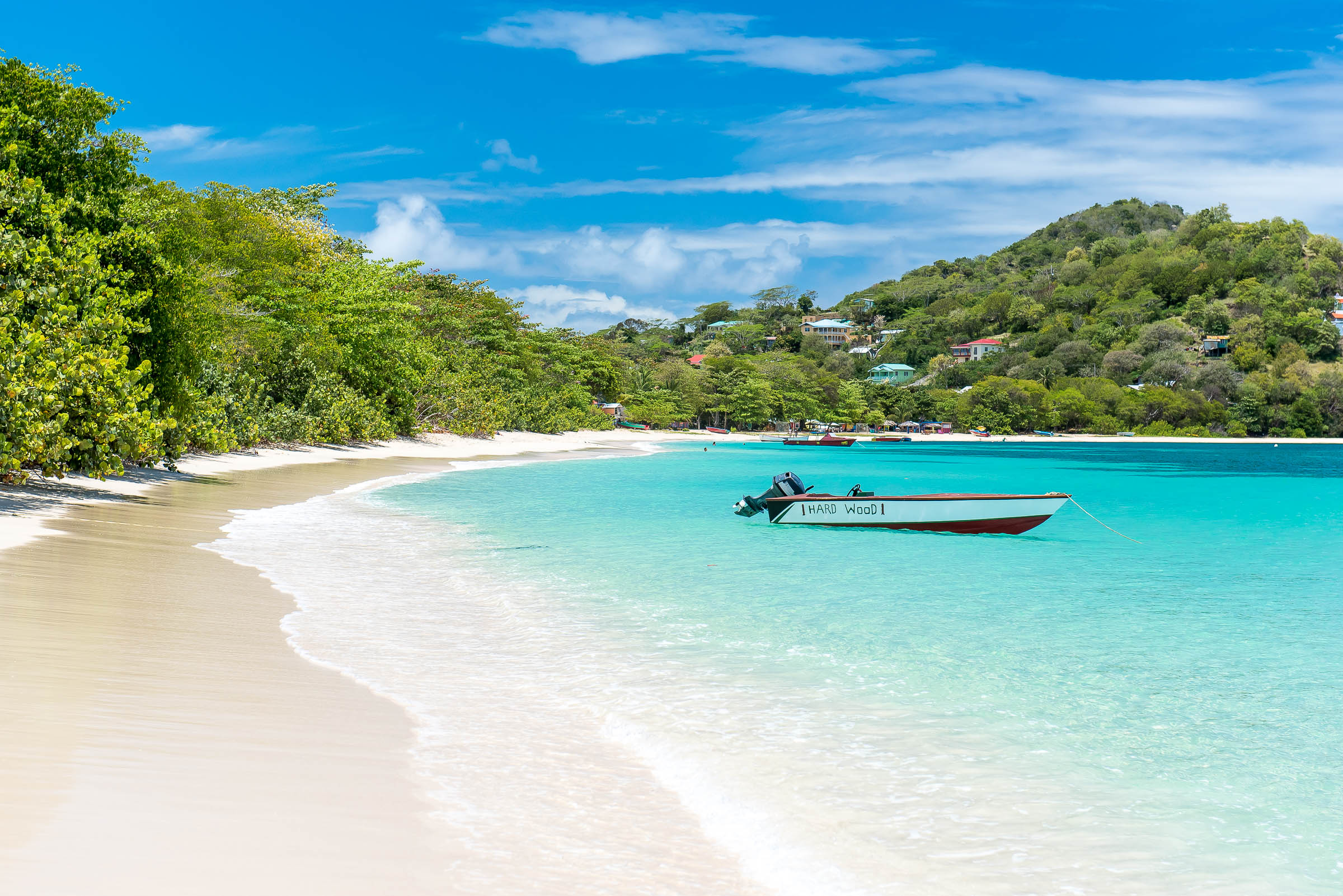
1. Location Over Hotel Category
This is our golden rule — and it’s one we’ve learned the hard way. A hotel’s location matters far more than its luxury features, especially when you’re really just using it as a place to sleep. Unless you plan on spending most of your trip at the hotel, where you stay matters more than how fancy it looks.
We’ll almost always choose:
- walkability over extra square footage
- views over impressive lobbies
- proximity over amenities we won’t use
Staying in the right neighbourhood saves time, energy, and transportation costs, and it makes the entire trip feel smoother from day one. Being able to walk out the door into the heart of a city or straight along the ocean adds a kind of everyday luxury you feel every single day of the trip.
Luxury is convenience.
2. Food Experiences You’ll Remember for Years
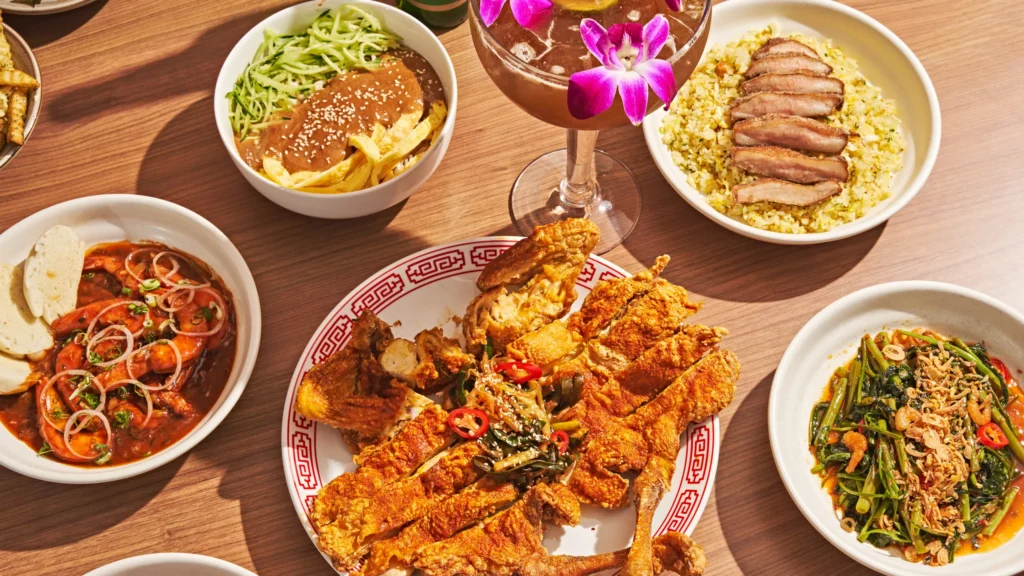
We never regret spending on food — and that’s something we’ve proven to ourselves trip after trip.
Some of our favourite travel memories aren’t tied to hotels or activities at all, but to meals we still talk about years later. A single dinner has shaped entire days of our trips — wandering a neighborhood beforehand, timing everything around a reservation, and letting the meal itself be the highlight rather than something rushed between attractions. Those meals turn into core memories, conversation starters long after the trip is over, and anchors that give a day its rhythm.
We’ve seen this firsthand across our travels. In Hawaii, we’ve built days around standout meals rather than packing in sightseeing, and it completely changed how the trip felt. In Japan, some of the most memorable experiences came from small, highly local spots that did one thing exceptionally well — places we likely would have skipped if we were chasing hotel upgrades instead.
That’s why food is one of the highest-return splurges in travel. Whether it’s a carefully chosen fine-dining experience or an unassuming local spot with incredible execution, the value lasts far longer than the price tag. We’ll happily skip a bigger room, a better view, or a flashy lobby if it means one unforgettable meal we’ll be talking about for years.
3. One “Anchor Experience” Per Trip
Instead of upgrading everything, we focus on one standout experience per trip — something that becomes the heartbeat of the entire itinerary.
For us, that usually means:
- a private or small-group tour
- a true bucket-list activity
- an experience that would be hard (or impossible) to replicate at home
Having one intentional splurge gives the trip a clear focal point. Everything else naturally falls into place around it — how we structure our days, where we eat, even where we stay. It keeps spending purposeful rather than impulsive, and it ensures that when we look back, there’s one defining moment that stands out immediately.
One of our best examples of this was in Maui, where our anchor experience was an expensive but unforgettable excursion: powered hang gliding. It was absolutely a splurge, but it became the moment of the trip — the one we still talk about, the one that shaped the entire day, and the one experience we knew we’d regret skipping. We happily built everything else around it, and we’d make the same choice again without hesitation.
That’s the power of choosing one anchor experience. Instead of spreading your budget thin across upgrades that barely move the needle, you invest in something that defines the trip. One incredible memory will always outperform five forgettable upgrades.
4. Comfort on Long Travel Days
This doesn’t mean flying first class everywhere — but it does mean choosing comfort strategically:
- better flight timing
- fewer layovers
- paying slightly more for a smoother journey
When you land feeling human instead of exhausted, the entire trip starts better. And when you’re balancing travel with real work schedules, recovery time matters.
What We Almost Always Skip (and Don’t Miss)
1. Hotel Room Upgrades
Unless the room itself is the experience (think private plunge pool or iconic view), upgrades usually aren’t worth it.
Most of the time, you’re paying for:
- extra square footage you don’t use
- amenities you forget about
- a slightly nicer bathroom you’ll see for 10 minutes
We’d rather put that money elsewhere.
2. Luxury Rental Cars
We’ve driven everything from basic economy cars to high-end sports cars, and while the flashy option can be fun, it rarely makes the trip better — unless the car is the experience. If you’re planning an entire day around it and exotic cars are genuinely your passion, then honestly… why not.
But in most destinations:
- parking is stressful
- roads are busy
- your attention is on navigation, not the car itself
At the end of the day, a clean, reliable car does exactly what you need it to do. The real experience happens once you step out of the vehicle — not behind the wheel.
3. Overpriced Hotel Breakfasts
This one’s simple: local cafés almost always win.
They’re cheaper, more interesting, and give you a better sense of place. Starting the day like a local adds a layer of connection that hotel buffets rarely match.
How We Make Trips Feel Luxurious Without Spending More
We Travel With a “Luxury Budget Mindset”
One thing that’s helped us travel more comfortably without overspending is bringing a few smart essentials from home — things that make long travel days easier and accommodations feel more comfortable without upgrading hotels. We keep all of our go-to travel items saved in our Amazon storefront so we’re not re-buying things every trip. It’s small upgrades like these that quietly improve the experience without adding hundreds to the budget.
Instead of asking “What can we afford?” we ask:
- What will matter most when we look back?
- Where will spending more actually change the experience?
This reframes luxury as impact, not indulgence.
We Travel Slightly Slower
Rushing between places increases costs and stress. Slowing down:
- reduces transportation expenses
- improves food experiences
- makes accommodations feel more valuable
A shorter itinerary done well beats a packed one done poorly.
We Choose Timing Strategically
Shoulder seasons are one of the biggest luxury hacks:
- better prices
- fewer crowds
- more availability
Traveling just outside peak season can make a destination feel significantly more elevated — often at a lower cost.
How This Played Out in Real Life: Booking Thailand
This approach isn’t just theory — it’s exactly how we planned our upcoming trip to Thailand.
Flights were the starting point, as they always are. While casually monitoring prices, we came across a round-trip flight to Bangkok with Cathay Pacific for $723 CAD per person. For context, flights on that same route are often well over $2,000–$2,700 CAD, so when that deal appeared, we booked instantly and built the entire trip around it.
For accommodations, we focused on location first, not luxury labels. We booked Airbnbs that worked well for our group and prioritized neighborhoods that made it easy to explore on foot. We also stayed flexible — booking solid options early, then adjusting as better places became available closer to the trip. That flexibility alone saved us money and improved the quality of where we’re staying.
When it came to experiences, we didn’t try to do everything. Instead, we chose a few standout excursions and booked them through Klook, where pricing is transparent and easy to compare. Rather than filling every day with activities, we focused on experiences that genuinely felt special and worth planning around.
Food followed the same intentional mindset. Instead of locking ourselves into expensive restaurants every night, we researched neighborhoods and must-try spots ahead of time. We leaned heavily on food creators like Best Ever Food Review Show and Mark Wiens to identify incredible local places that offer amazing value — the kind of meals Thailand is famous for. This gave us a long list of options without over-planning, letting us decide day by day based on how we felt.
The result? A trip that feels elevated, thoughtfully planned, and exciting — without spending money just for the sake of “luxury.” Every major decision ties back to the same rule: spend where it matters, save where it doesn’t.
Why This Approach Works Especially Well for Couples
Traveling as a couple changes how luxury feels.
For us, the most valuable parts of a trip are:
- shared moments
- relaxed mornings
- meals that turn into long conversations
- experiences that feel intimate, not rushed
Spending intentionally reduces stress — and less stress makes trips more enjoyable together. Instead of worrying about money the entire time, we can actually be present.
Luxury, for couples, is peace of mind.
Our Simple Rule That Changed Everything
If you remember nothing else, remember this:
Spend on what you’ll talk about years later. Save on what you’ll forget by next week.
That rule alone has helped us:
- travel more often
- enjoy trips more deeply
- avoid post-trip regret
Final Thoughts: Luxury Is a Feeling, Not a Price Point
Luxury travel doesn’t mean spending more — it means choosing better.
When you’re balancing work, real life, and limited vacation time, intentional travel isn’t just smart — it’s essential. The trips that stay with you aren’t the ones where everything was upgraded. They’re the ones where the right things were.
If you’re planning a trip soon and want it to feel elevated without overspending, this mindset will change how you travel — just like it changed how we do.