
Japan is one of the most visited destinations in the world, welcoming over 35 million travelers each year. But if you’re planning a trip, you might be wondering — when is the best time to go? The answer really depends on what kind of experience you’re after. Do you want to see the famous cherry blossoms in full bloom? Explore when it’s quieter and cooler? Or visit during the height of summer when the cities are alive and buzzing?
The country of Japan prides itself on having four different seasons.. and let me tell you.. the seasons dramatically impact the scenery in a way that can only really be described as magical. However, when planning a trip to Japan, your decisions may be affected by factors like the crowds, seasonal costs, weather and so on. Considering all of these factors and different preferences, we will recommend what we think to be the best time to travel to Japan to help you make the best informed decision you can.
What time is best for you?
- Best Time to Visit Japan for Moderate Weather
- Spring: Best Time to Visit Japan for Warmer Days
- Autumn: Best Time to Visit Japan for Quiter and Warmer Days
- Summer: Best Time to Visit Japan for Festivals and Fireworks
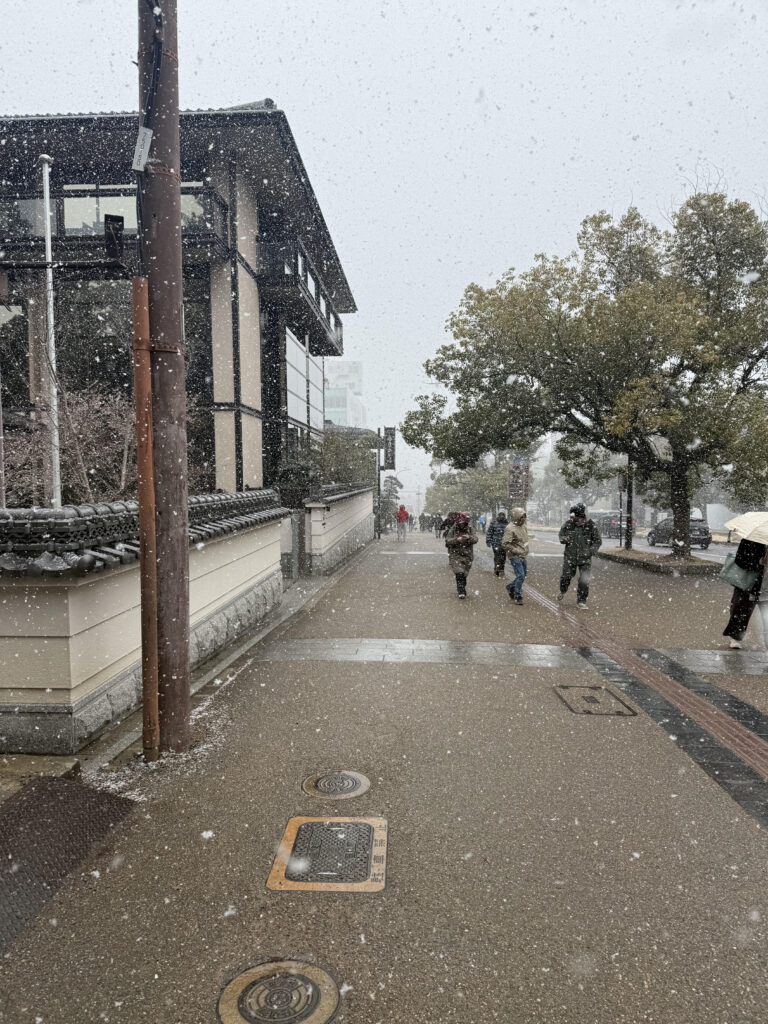
- Winter: Best time to Visit Japan for Snowy and Quietter Days
- Understanding Japan's Climate and Geography
Best Time to Visit Japan for Moderate Weather
Average Temperature and Rain Days by Month
| Month | Average Temperature (Min/Max) Celsius | Average Days of Rain |
| January | -1.5/5.9 | 9 days |
| February | -1.3/6.7 | 11.5 days |
| March | 2.1/10.3 | 16.7 days |
| April | 6.9/15.9 | 16.1 days |
| May | 11.9/20.7 | 15.9 days |
| June | 16.3/23.7 | 19.5 days |
| July | 20.4/27.4 | 18.9 days |
| August | 21.6/28.8 | 16 days |
| September | 18.1/25.5 | 19.4 days |
| October | 12.2/20.2 | 16.6 days |
| November | 6.3/14.2 | 12.6 days |
| December | 1.0/8.4 | 9.3 days |
Most people will tell you that the best time to visit Japan are in the spring and the autumn. During these two seasons, the weather is typically clear and moderate, without the blistering heat or the chilling wet cold.
Additionally, most traditional events are held in those two seasons, providing a great opportunity to experience the local traditions. But this comes with a little bit of the seasonal costs. Things tend to be a little more expensive during these times.
Spring: Best Time to Visit Japan for Warmer Days
Spring Time: March – April
Spring is generally the most visited time of the year because of the blooming of the Cherry Blossoms.
During the spring time, the Cherry Blossoms start to bloom in central Japan in places like Tokyo, Kyoto, Osaka and there are various cherry blossom themes events in the spring like the Takayama Festival and the Sanja Matsuri. In these events you will have the opportunity to experience some traditional floats and performances.
TIPS:
– While these months are getting into the warmer summer, it is still advisable to wear some warm clothing as there still may be colder days.
– The blooming flowers in the spring time could produce plenty of pollen. Those with alergies should come prepared.
– Golden Week is at the end of April. This is a national holiday with a series of consecutive days off. Travel in the country could get VERY busy
– More expensive time of the year for hotels, and any dynamic pricing.
Autumn: Best Time to Visit Japan for Quiter and Warmer Days
Autumn: September – November
This time of the year is generally cooling down as it heads into the winter season. This type of weather makes it ideal for venturing outdoors with thin layers. Many travellers will flock to Japan in autumn to get to experience the changing colours of the leaves.
The crowds are generally much smaller around the autumn time compared to the Spring.
TIPS:
– Plan around the fall foilage peak. Northern areas will start to see colour chaning sooner than the Southern regions.
– Pack for layered weather. Mornings and evenings can be a little brisk.
– Take advantage of the fewer crowds. Popular spots like Kyoto’s Arashiyama and Nara will be much quieter.
Summer: Best Time to Visit Japan for Festivals and Fireworks
Summer: May-August
Summer in Japan is vibrant, lively, and full of festivals, but it’s also VERY hot and humid. Expect daytime temperatures around 30°C (86°F). This is the season of fireworks, street food stalls, and traditional festivals (matsuri) that light up the night skies. If you don’t mind the heat, it’s a great time to experience Japan’s fun side.
TIPS:
-Pack light, breathable clothes: linen and cotton are your best friends.
– Stay hydrated and plan breaks indoors (museums, cafés, shopping arcades) during midday.
– Head north or to the mountains: places like Hokkaido and the Japanese Alps offer cooler air and incredible summer hiking.
Winter: Best time to Visit Japan for Snowy and Quietter Days
Winter: January to February
Winter in Japan is peaceful and incredibly scenic. The air is crisp, the skies are clear, and if you love snow, this is your season. Japan’s ski resorts offer world-class powder. Even just soaking in an outdoor onsen (hot spring) surrounded by snow feels like pure magic. The cities are much less busy during the winter season, making popular tourists places more manageable if you do not like crowds.
TIPS:
-Dress warm and layer up: bring a good coat, gloves, and waterproof shoes.
– Try a winter festival: The Sapporo Snow Festival in February is unforgettable.
– Don’t skip the onsens: They’re the best way to unwind after exploring in the cold.
Understanding Japan’s Climate and Geography
Japan stretches over 3,000 kilometers from north to south, which means the weather can feel completely different depending on where you are.
In the north, Hokkaido experiences snowy winters and cool summers, making it perfect for skiing or escaping the summer heat. The central region, home to Tokyo and Kyoto, has a mix of humid summers, colorful autumns, and mild winters. Down south, Kyushu and Okinawa (popular island) enjoy a subtropical climate — think warm year-round temperatures, beautiful beaches, and the occasional tropical storm.
Because of this range, Japan truly offers something for every traveler and every season. Whether you’re looking for cherry blossoms in spring, autumn leaves in the mountains, or snow in the north, understanding the geography helps you plan your trip for the experiences you want most.
In short, Japan can be visited year round!